Annapurna
From subtropical forest to high passes above 5,000 metres
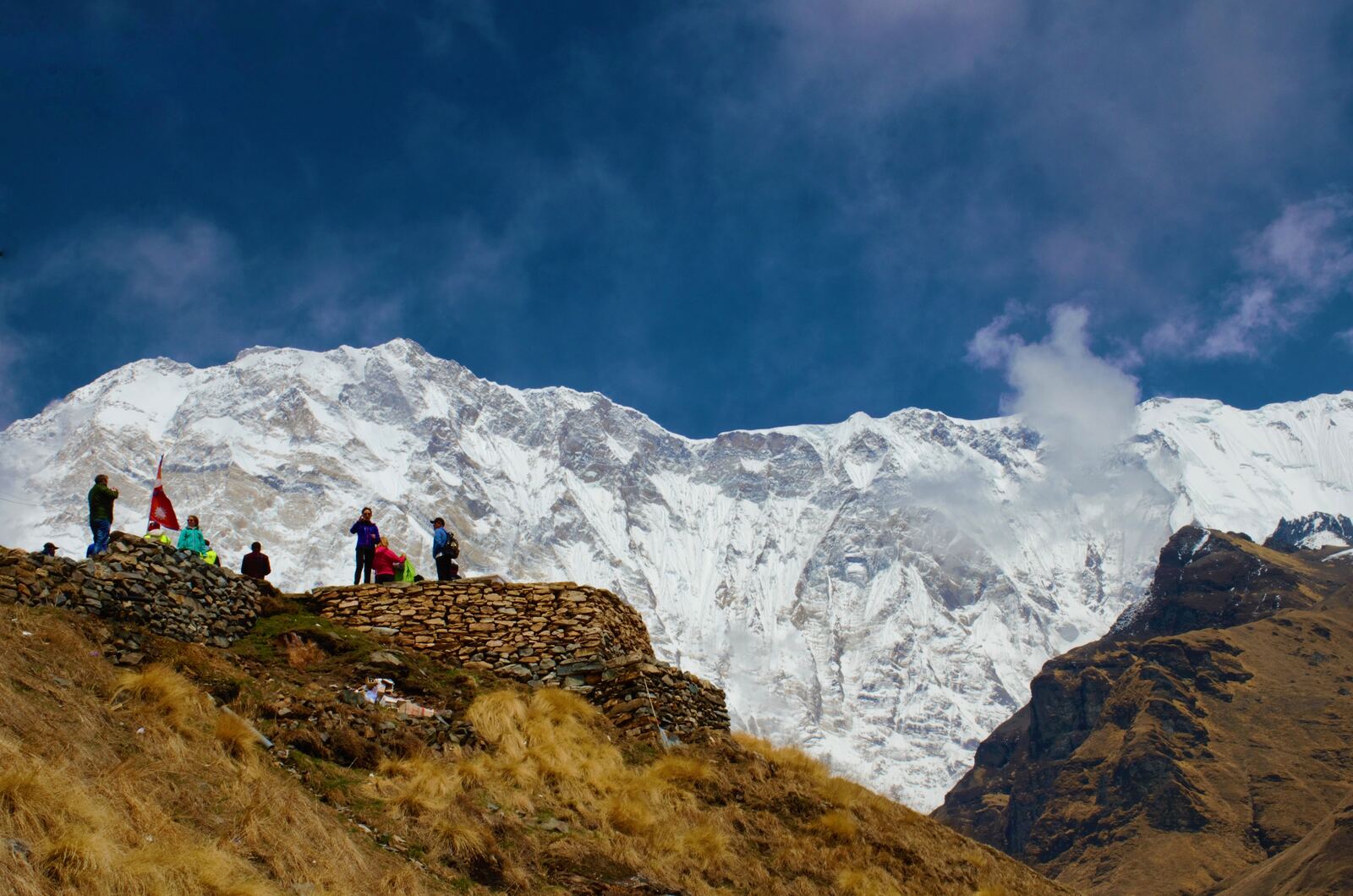
The Annapurna Conservation Area runs from subtropical valleys near 1,000 metres to high passes and glaciers above 5,000 metres, so the birds change as you climb. The lower slopes have rhododendron, oak and pine forest, where kalij pheasants, laughingthrushes and woodpeckers are common, while the upper valleys open into scrub and alpine meadow.
More than 500 species have been recorded here. The region is known for the Himalayan monal, Nepal's national bird, for satyr tragopans and Tibetan snowcocks, and for lammergeiers and Himalayan griffons circling over the ridges. The most reliable seasons are spring, from March to May, and autumn, from October to November, when the weather is settled and the mountain views are clearest.
Trips in Annapurna
2 trips here, 9 to 12 days, with 122 birds recorded on their routes. Best months: March to May and October to November.
Annapurna Sanctuary Birding Trek
Twelve days from warm river valleys to the foot of Annapurna, listening for every voice in the forest.
12 days · 4,130 m · 112 birds
Mardi Himal Birdwatching Trek
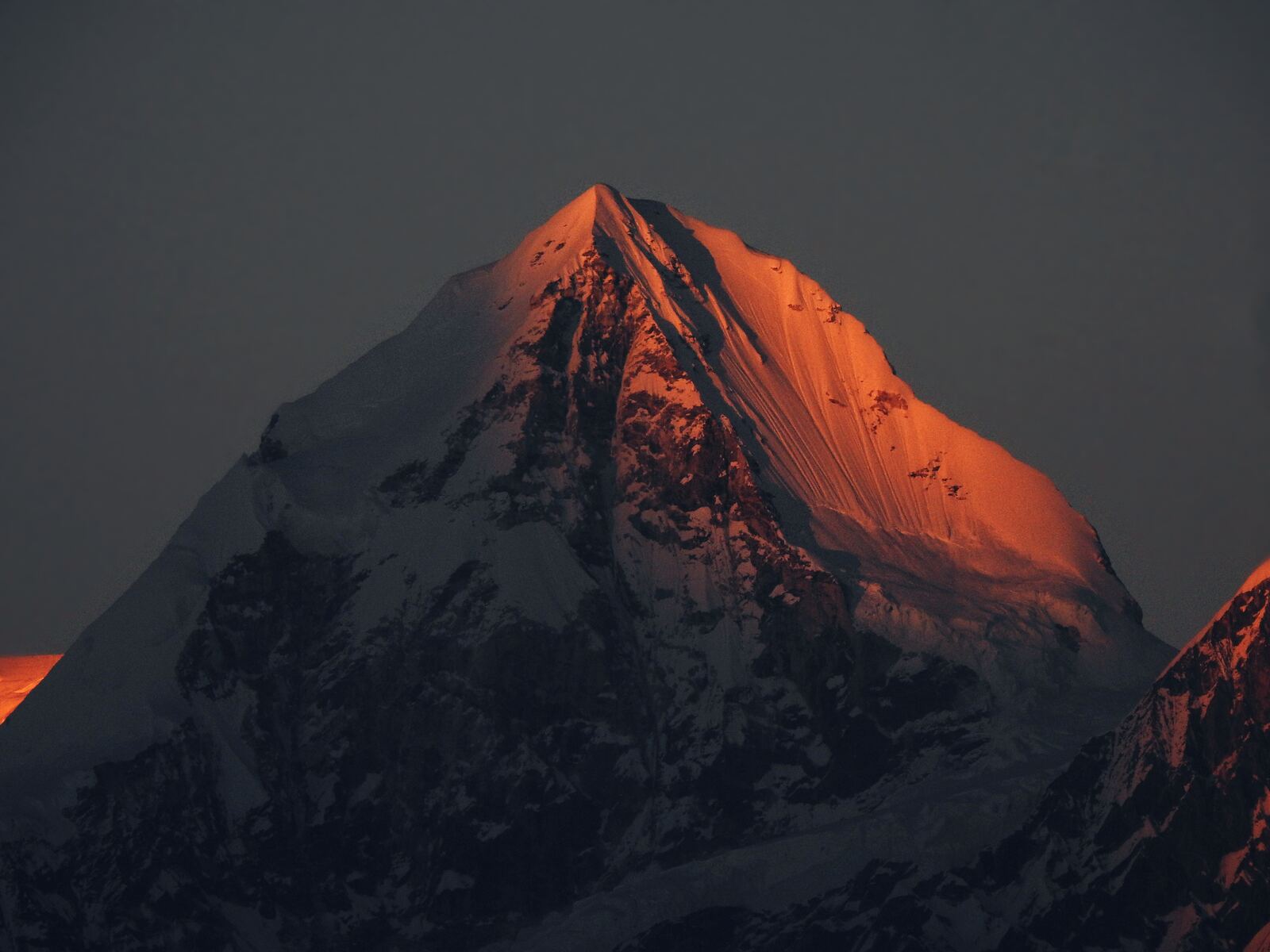
Up a rhododendron ridge to the foot of Machhapuchhre, with time for every flock in the forest.
9 days · 4,500 m · 88 birds