Chitwan Jungle Birding and Wildlife Safari
Rhinos at dawn, hornbills overhead and a river full of kingfishers, all from one comfortable base.
4 days and 115 birds recorded on this route.
Best months: October to March.
 Video
 Video
1 / 6
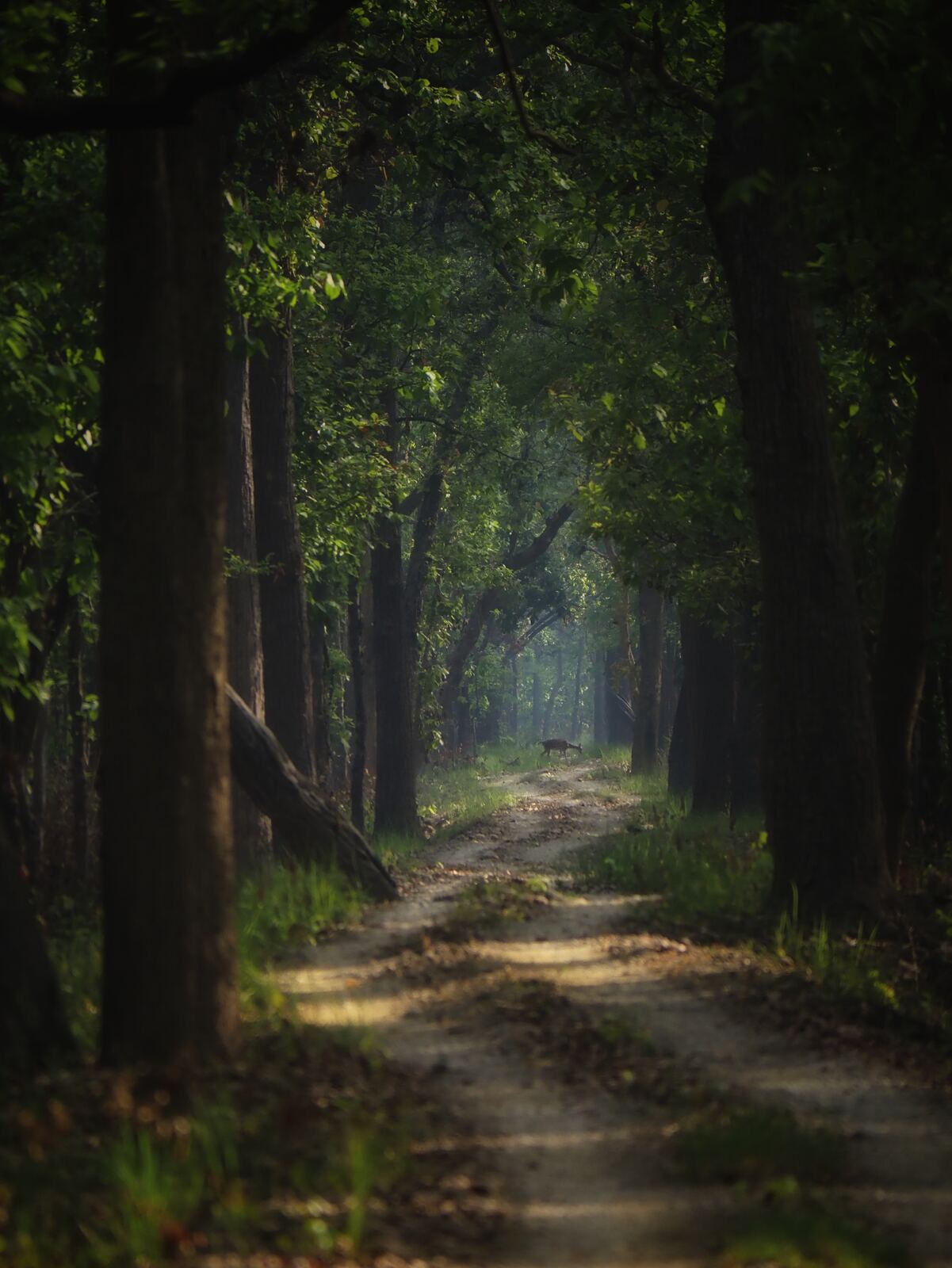
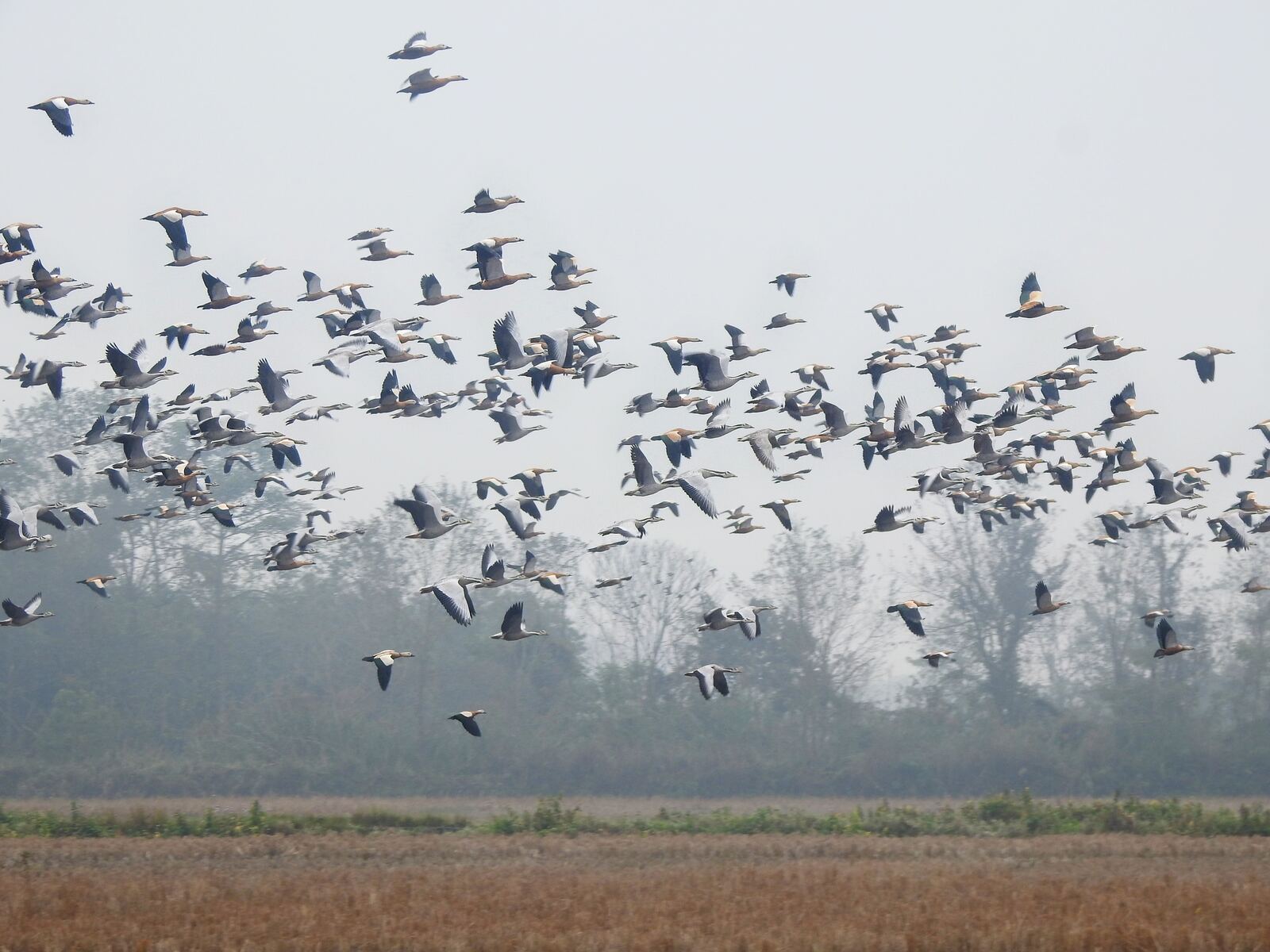
Four relaxed days in Nepal's best-known lowland jungle, all from one lodge in Sauraha. Krishna takes you by dugout canoe, on foot and by jeep through sal forest, tall grassland and the banks of the Rapti: kingfishers, hornbills, storks and, in spring, the Bengal Florican, with rhinos along the way. Easy walking and early mornings; good for first-timers and photographers alike.
Birds to look for
None of them is promised: wild birds keep their own plans.
★ seen with guests on this trip
Bengal Florican (seen with guests on this trip)
Houbaropsis bengalensis
Kasara and the Core Grasslands · 150 m · March to May · sometimes seen
“Male display flights over the grassland”
Indian Pitta
Pitta brachyura
Baghmara Community Forest · 150 m · April to May · sometimes seen
“Arrives for the breeding season”
Great Hornbill (seen with guests on this trip)
Buceros bicornis
Baghmara Community Forest · 150 m · sometimes seen
“Its wingbeats whoosh like a steam train. Unforgettable.”
Oriental Pied Hornbill (seen with guests on this trip)
Anthracoceros albirostris
Baghmara Community Forest · 150 m · usually seen
“Black and white with a big casque, calling noisily over the canopy.”
Spotted Owlet
Athene brama
Sauraha · 150 m · usually seen
“Peering at you with a scowl from a tree hole.”
Black-necked Stork
Ephippiorhynchus asiaticus
Rapti River · 150 m · sometimes seen
“Tall, dramatic and iridescent, a showpiece of the wetland.”
Pallas's Fish-Eagle
Haliaeetus leucoryphus
Rapti River · 150 m · sometimes seen
“A big, pale-headed eagle with a white band across its dark tail, calling loudly over the river.”
Red-headed Vulture
Sarcogyps calvus
Kasara and the Core Grasslands · 150 m · sometimes seen
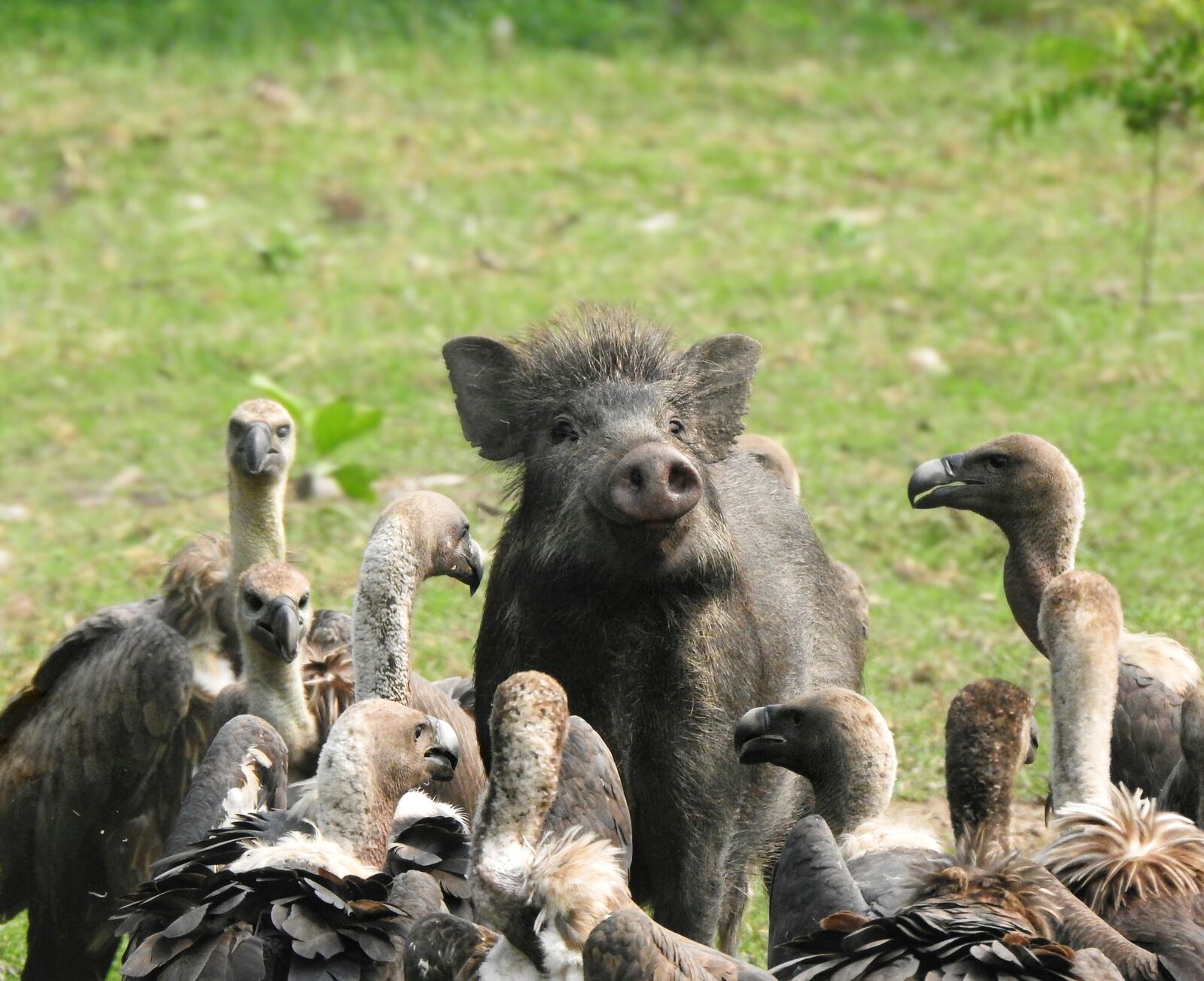
“A black vulture with a scarlet head and white thigh patches, a real thrill above the sal forest.”
White-rumped Vulture
Gyps bengalensis
Kasara and the Core Grasslands · 150 m · with a little luck
“A beautiful sight when vultures wheel over the river forest, and always a good day.”
Slender-billed Vulture
Gyps tenuirostris
Kasara and the Core Grasslands · 150 m · with a little luck
“A long, bare-necked vulture that rides the warm air over the grassland with the white-rumps.”
Indian Paradise-Flycatcher
Terpsiphone paradisi
Baghmara Community Forest · 150 m · March to May · sometimes seen
“White males with long tails”
Blue-eared Kingfisher
Alcedo meninting
Baghmara Community Forest · 150 m · sometimes seen
“On the shaded forest streams”
Stork-billed Kingfisher
Pelargopsis capensis
Rapti River · 150 m · sometimes seen
“A huge red bill and a laughing call on forest rivers.”
Pied Kingfisher (seen with guests on this trip)
Ceryle rudis
Rapti River · 150 m · almost always seen
“Hovers over the water, then plunges.”
Ibisbill
Ibidorhyncha struthersii
Rapti River · 150 m · December to February · with a little luck
“Winter visitor to the shingle bars”
All 115 birds on this routeand 25 other animals and plants
Birds 115
- Asian Koel
- Asian Openbill
- Asian Pied Starling
- Baya Weaver
- Bengal Florican (seen with guests on this trip)
- Black Drongo
- Black Francolin (seen with guests on this trip)
- Black-crested Bulbul
- Black-crowned Night-Heron
- Black-hooded Oriole
- Black-necked Stork
- Blue-bearded Bee-eater
- Blue-eared Kingfisher
- Bronze-winged Jacana
- Bronzed Drongo
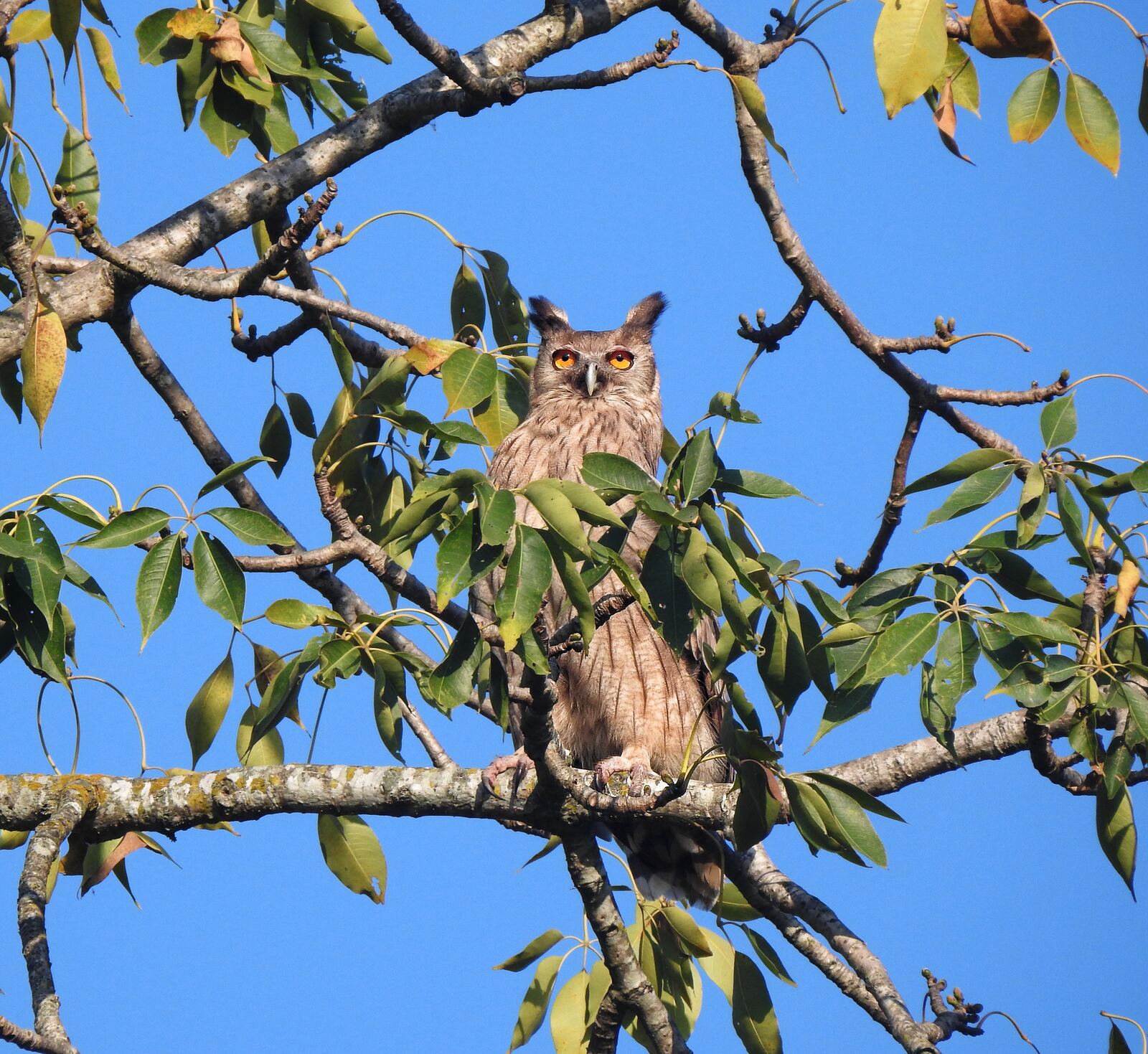
- Brown Fish-Owl
- Cattle Egret
- Chestnut-capped Babbler
- Chestnut-headed Bee-eater
- Citrine Wagtail
- Common Hoopoe
- Common Iora
- Common Kingfisher
- Common Moorhen
- Common Myna
- Common Sandpiper
- Common Tailorbird
- Coppersmith Barbet
- Cotton Pygmy-Goose
- Crested Serpent-Eagle
- Crimson Sunbird
- Egyptian Vulture
- Ferruginous Duck
- Fulvous-breasted Woodpecker
- Gadwall
- Golden-fronted Leafbird
- Great Egret
- Great Hornbill (seen with guests on this trip)
- Great Thick-knee
- Greater Coucal
- Greater Flameback
- Greater Racket-tailed Drongo
- Greater Spotted Eagle
- Green Bee-eater
- Grey Heron
- Grey Wagtail
- Grey-capped Pygmy Woodpecker
- Grey-headed Fish-Eagle
- Grey-headed Swamphen
- Hill Myna
- Ibisbill
- Indian Paradise-Flycatcher
- Indian Peafowl (seen with guests on this trip)
- Indian Pitta
- Indian Pond-Heron
- Indian Roller
- Indian Spot-billed Duck
- Intermediate Egret
- Jerdon's Babbler
- Jungle Babbler
- Jungle Owlet
- Lesser Adjutant
- Lesser Flameback
- Lesser Necklaced Laughingthrush (seen with guests on this trip)
- Lesser Whistling-Duck
- Lesser Yellownape
- Lineated Barbet
- Little Cormorant
- Little Egret
- Little Grebe
- Long-tailed Shrike
- Maroon Oriole
- Northern Pintail
- Orange-bellied Leafbird
- Orange-headed Thrush
- Oriental Darter
- Oriental Honey-buzzard
- Oriental Magpie-Robin
- Oriental Pied Hornbill (seen with guests on this trip)
- Painted Stork
- Pallas's Fish-Eagle
- Pheasant-tailed Jacana
- Pied Harrier
- Pied Kingfisher (seen with guests on this trip)
- Pin-striped Tit-Babbler
- Plain Prinia
- Purple Heron
- Red Junglefowl (seen with guests on this trip)
- Red-breasted Parakeet
- Red-headed Vulture
- Red-vented Bulbul
- Red-wattled Lapwing
- River Lapwing
- River Tern
- Rose-ringed Parakeet
- Ruddy Shelduck (seen with guests on this trip)
- Rufous Treepie
- Scaly-breasted Munia
- Shikra
- Slender-billed Vulture
- Small Minivet
- Small Pratincole
- Spotted Owlet
- Stork-billed Kingfisher
- Striated Grassbird
- Swamp Francolin
- Tickell's Blue Flycatcher
- White Wagtail
- White-breasted Waterhen
- White-rumped Shama
- White-rumped Vulture
- White-throated Kingfisher
- Wood Sandpiper
- Woolly-necked Stork
- Yellow-footed Green-Pigeon
Mammals 14
- Asian Elephant
- Barking Deer
- Bengal Tiger
- Gaur
- Greater One-horned Rhinoceros (seen with guests on this trip)
- Hog Deer (seen with guests on this trip)
- Leopard
- Northern Plains Gray Langur
- Rhesus Macaque
- Sambar
- Sloth Bear
- Smooth-coated Otter
- Spotted Deer (seen with guests on this trip)
- Wild Boar
Reptiles 4
- Bengal Monitor
- Gharial (seen with guests on this trip)
- Indian Rock Python
- Mugger Crocodile (seen with guests on this trip)
Butterflies 4
- Common Mormon
- Common Rose
- Lemon Pansy
- Plain Tiger
Plants 3
- Kans Grass
- Sal
- Silk-cotton Tree
With guests
March 2026, Kasara and the Core GrasslandsWaiting for the florican
Kasara, Chitwan National Park
150 m · MAR 2026
“waiting, 06:05”
with Placeholder Guest D and friends, Australia
In March the grass at Kasara is shorter after the annual cutting, and if you are lucky, you can find the Bengal Florican in its display. We left the lodge in the dark and sat in the jeep at the edge of the grassland with the engine off, a thermos of tea passing between us.
For almost an hour there was just the grass, the dawn chorus, and the cold. Then a black-and-white shape shot up out of the field, wings quivering, hung in the air for a moment and dropped back out of sight. My guests laughed out loud. It was the sort of thing you can only appreciate by seeing it.
Seen that day: Bengal Florican, Spotted Deer, Hog Deer, Black Francolin, Greater One-horned Rhinoceros
“We went in March, and Krishna took us out to Kasara before sunrise to wait in the grass for a Bengal Florican display. When the male leapt into the air I could hardly believe it. Bis Hazari Tal on the last morning, with jacanas on the lily pads, was a lovely way to finish. Placeholder review.”
Placeholder Guest D, Australia February 2026, Rapti RiverDrifting past a rhinoceros
Greater One-horned Rhinoceros
Rhinoceros unicornis
Rapti River, Chitwan · 150 m · FEB 2026
“from canoe, 07:05”
with Placeholder Guest C and son, United Kingdom
The Rapti is at its best in the cold hour after sunrise, when mist still lies on the water and the canoeman hardly needs to paddle. We had seen a Gharial on a sandbar, a Pied Kingfisher hovering over its pool, and a pair of Ruddy Shelducks on a spit, when I saw a grey shape at the edge of the tall grass.
A Greater One-horned Rhinoceros stood knee-deep and was feeding, quite undisturbed by our silence. My guest's son, who was eleven, held his breath for what felt like a whole minute. I think he decided that morning that he wanted to become a naturalist.
Seen that day: Greater One-horned Rhinoceros, Gharial, Pied Kingfisher, Ruddy Shelduck, Mugger Crocodile
“The canoe ride at dawn was the highlight for me, with Gharials on the sandbars, kingfishers everywhere and a rhinoceros feeding on the far bank. Krishna's eye for birds is incredible, and he made the Great Hornbill in the forest feel like a gift. Our lodge was comfortable and the walks were relaxed. Placeholder review.”
Placeholder Guest C, United Kingdom February 2026, Baghmara Community ForestThe sound of a hornbill
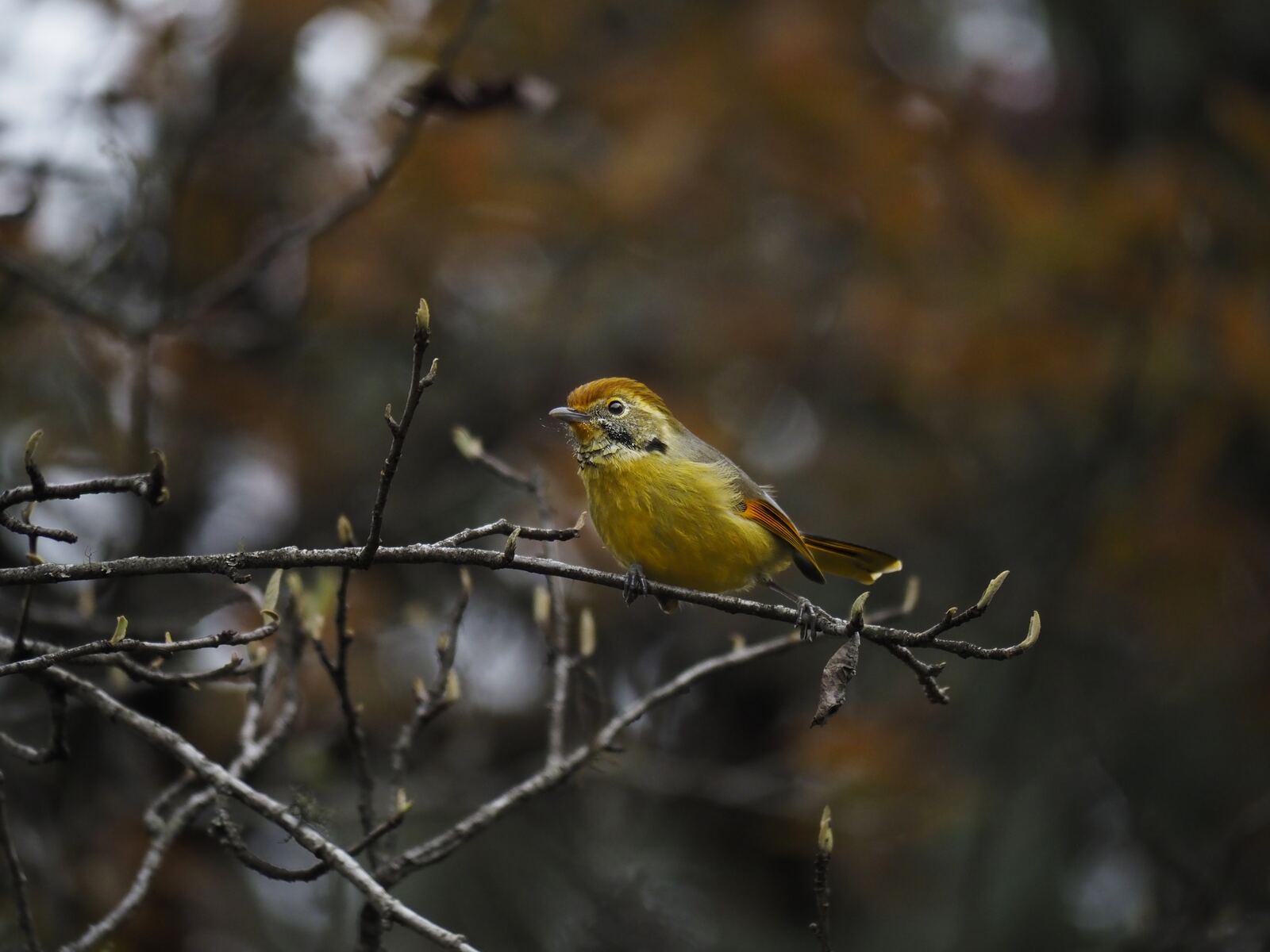
Great Hornbill
Buceros bicornis
Baghmara Community Forest, Chitwan · 150 m · FEB 2026
“adult feeding on a fig, 08:10”
with Placeholder Guests M and N, Switzerland
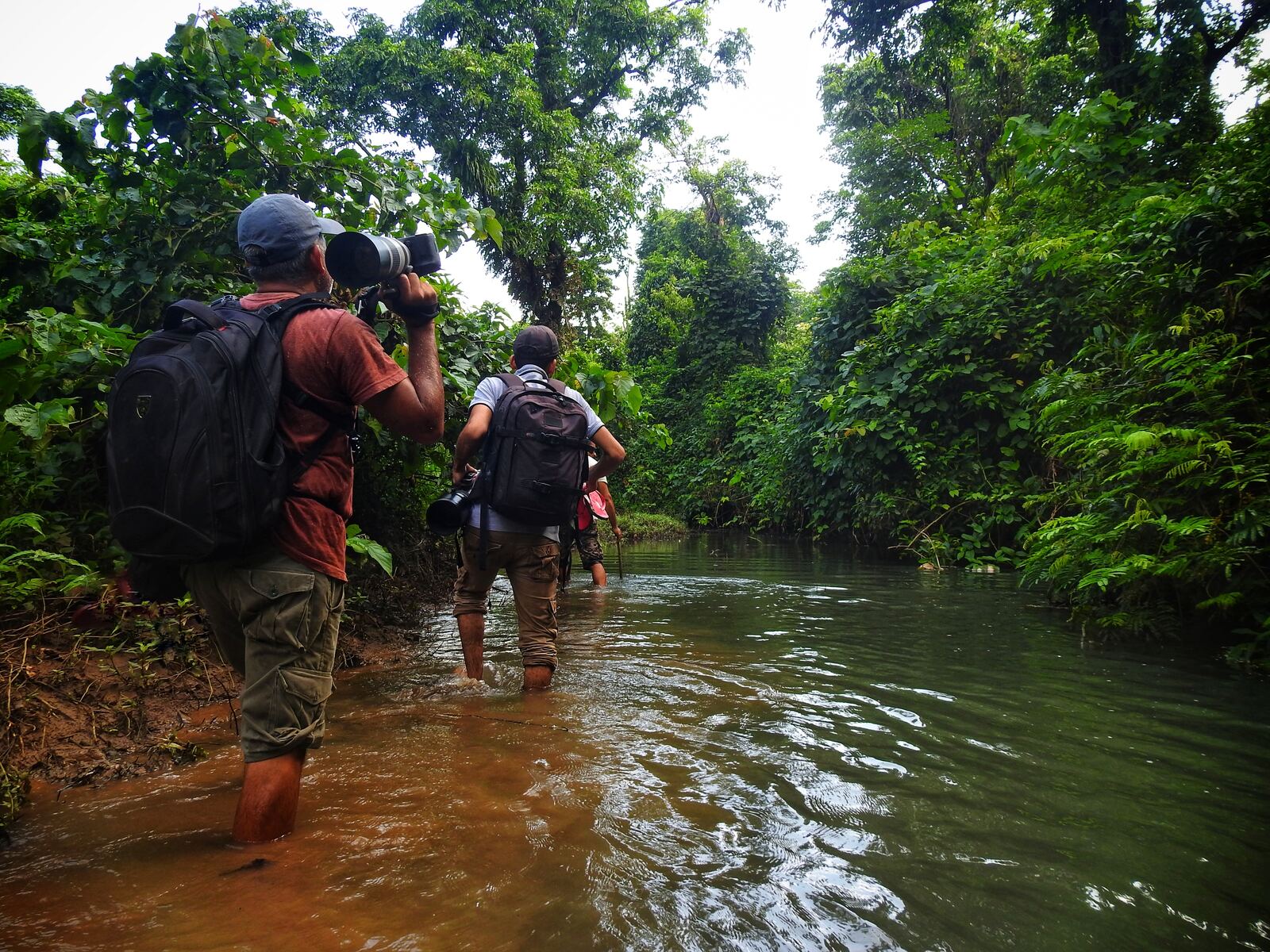
We were walking the sal forest in single file when I heard it before anyone else: a rhythmic whoosh, like a steam train a long way off. A Great Hornbill was crossing the forest overhead and its wings were beating the air with each stroke.
It landed on a bare branch and began to feed on a fig, a huge yellow casque and a bill like a banana. My guests hardly dared to breathe. A pair of Oriental Pied Hornbills joined it, and we stood there for twenty minutes with the forest all to ourselves.
Seen that day: Great Hornbill, Oriental Pied Hornbill, Red Junglefowl, Indian Peafowl, Lesser Necklaced Laughingthrush
A day on this trip
We go out at six, on the river or in the forest while it's cool, and come back for lunch and a rest through the heat of the day. At about three we head out again until dusk; the walks are flat and slow, with plenty of waiting for the light.
The way, day by day
- Day 1
Sauraha150 m · Spotted Owlet, Oriental Magpie-Robin
Our base for three nights on the north edge of the park. The lodge gardens are good for bee-eaters, barbets and sunbirds, and the Rapti River is a short walk away.
A gentle afternoon walk to meet the elephants and their calves, run by the park. The quiet sal edges around the compound are a good first look at the forest birds.
Birds 26: Oriental Magpie-Robin, Red-vented Bulbul, Black Drongo, Common Myna, Asian Pied Starling, Green Bee-eater, Rufous Treepie, Common Tailorbird, Coppersmith Barbet, Rose-ringed Parakeet, Indian Roller, Lineated Barbet, Spotted Owlet, Greater Coucal, Long-tailed Shrike, Common Iora, Black-hooded Oriole, Common Hoopoe, Red-breasted Parakeet, Black-crested Bulbul, Asian Koel, Crimson Sunbird, Cattle Egret, Indian Peafowl, Greater Racket-tailed Drongo, Red Junglefowl
Mammals 2: Rhesus Macaque, Asian Elephant
Butterflies 1: Common Mormon
Plants 2: Silk-cotton Tree, Sal
- Day 2
Rapti River · Baghmara Community Forest150 m · Indian Pitta, Great Hornbill
We slip into a long dugout canoe in the cool of dawn and drift downriver in near silence. Gharials sun themselves on the sandbars, kingfishers hunt from the snags, and sometimes a rhinoceros wades in the shallows at the other bank.
A community-run buffer-zone forest where we walk slowly with a local naturalist, listening for woodpeckers, hornbills and pittas. Rhinoceros and Spotted Deer are regular, and we keep a respectful distance from the big animals.
Birds 63: Pied Kingfisher (seen with guests on this trip), White-throated Kingfisher, Great Egret, Little Egret, Intermediate Egret, Indian Pond-Heron, Little Cormorant, Red-wattled Lapwing, White Wagtail, Common Kingfisher, Grey Heron, Oriental Darter, River Lapwing, River Tern, Great Thick-knee, Asian Openbill, Woolly-necked Stork, Stork-billed Kingfisher, Black-necked Stork, Purple Heron, Grey-headed Fish-Eagle, Pallas's Fish-Eagle, Lesser Adjutant, Black-crowned Night-Heron, Grey Wagtail, Citrine Wagtail, Ruddy Shelduck (seen with guests on this trip), Wood Sandpiper, Common Sandpiper, Small Pratincole, Ibisbill, Brown Fish-Owl, Red Junglefowl (seen with guests on this trip), Jungle Babbler, Common Iora, Greater Racket-tailed Drongo, Black-hooded Oriole, Indian Peafowl (seen with guests on this trip), Oriental Pied Hornbill (seen with guests on this trip), Greater Flameback, Lesser Flameback, Fulvous-breasted Woodpecker, Lesser Necklaced Laughingthrush (seen with guests on this trip), Small Minivet, Golden-fronted Leafbird, Pin-striped Tit-Babbler, Yellow-footed Green-Pigeon, Tickell's Blue Flycatcher, Bronzed Drongo, Great Hornbill (seen with guests on this trip), Blue-bearded Bee-eater, Orange-bellied Leafbird, White-rumped Shama, Maroon Oriole, Lesser Yellownape, Grey-capped Pygmy Woodpecker, Jungle Owlet, Hill Myna, Blue-eared Kingfisher, Orange-headed Thrush, Chestnut-headed Bee-eater, Indian Paradise-Flycatcher, Indian Pitta
Mammals 12: Greater One-horned Rhinoceros (seen with guests on this trip), Spotted Deer, Wild Boar, Smooth-coated Otter, Bengal Tiger, Northern Plains Gray Langur, Rhesus Macaque, Hog Deer, Sambar, Barking Deer, Sloth Bear, Leopard
Reptiles 4: Gharial (seen with guests on this trip), Mugger Crocodile (seen with guests on this trip), Bengal Monitor, Indian Rock Python
Plants 1: Sal
- Day 3
Kasara and the Core Grasslands · Tharu Village, Sauraha150 m · Bengal Florican, Red-headed Vulture
A full-day jeep drive into the heart of the national park, via the Kasara headquarters. The great grasslands here are the home of the Bengal Florican, and the sal forest and wetlands bring hornbills, vultures and, with luck, a glimpse of the elusive big animals.
An easy late-afternoon walk through a Tharu village with mud-and-thatch houses and golden fields. Weaver nests hang in the trees and the evening ends with a local meal and a stick dance.
Birds 40: Red Junglefowl, Indian Peafowl, Plain Prinia, Common Iora, Black Francolin (seen with guests on this trip), Striated Grassbird, Chestnut-capped Babbler, Crested Serpent-Eagle, Oriental Pied Hornbill, Great Hornbill, Swamp Francolin, Egyptian Vulture, Oriental Honey-buzzard, Lesser Adjutant, Black-necked Stork, Woolly-necked Stork, Bengal Florican (seen with guests on this trip), Pied Harrier, Greater Spotted Eagle, Red-headed Vulture, White-rumped Vulture, Slender-billed Vulture, Jerdon's Babbler, Baya Weaver, Black Drongo, Common Myna, Asian Pied Starling, Cattle Egret, Indian Pond-Heron, Red-wattled Lapwing, Scaly-breasted Munia, Indian Roller, Long-tailed Shrike, Common Hoopoe, Spotted Owlet, Rose-ringed Parakeet, White-throated Kingfisher, Green Bee-eater, Shikra, Citrine Wagtail
Mammals 11: Spotted Deer (seen with guests on this trip), Wild Boar, Rhesus Macaque, Greater One-horned Rhinoceros (seen with guests on this trip), Hog Deer (seen with guests on this trip), Northern Plains Gray Langur, Sambar, Gaur, Sloth Bear, Bengal Tiger, Leopard
Reptiles 4: Gharial, Bengal Monitor, Mugger Crocodile, Indian Rock Python
Butterflies 3: Plain Tiger, Common Rose, Lemon Pansy
Plants 1: Kans Grass
- Day 4
Bis Hazari Tal190 m · Lesser Whistling-Duck, Little Grebe
The "twenty thousand lakes" of Bis Hazari, a Ramsar-listed wetland in the community forest north of the park. A last dawn walk around the shore gives jacanas, storks, kingfishers and, if we are lucky, rhinoceros bathing in the shallows.
Birds 30: Lesser Whistling-Duck, Little Grebe, Grey-headed Swamphen, White-breasted Waterhen, Common Moorhen, Bronze-winged Jacana, Great Egret, Little Cormorant, Indian Pond-Heron, White-throated Kingfisher, Cotton Pygmy-Goose, Indian Spot-billed Duck, Purple Heron, Oriental Darter, Asian Openbill, Woolly-necked Stork, Pheasant-tailed Jacana, Oriental Pied Hornbill, Black-necked Stork, Painted Stork, Lesser Adjutant, Grey-headed Fish-Eagle, Pallas's Fish-Eagle, Great Hornbill, Stork-billed Kingfisher, Blue-eared Kingfisher, Gadwall, Northern Pintail, Ferruginous Duck, Brown Fish-Owl
Mammals 5: Greater One-horned Rhinoceros, Spotted Deer, Sambar, Wild Boar, Bengal Tiger
Reptiles 2: Mugger Crocodile, Bengal Monitor
Good to know
- Guiding
- Krishna leads the whole trip
- Difficulty
- Easy
- Highest point
- 190 m, Bis Hazari Tal
- Best months
- October to March
- Region
- Chitwan National Park
What's included
Included
- Krishna as your lead birding and wildlife guide
- Three nights at a lodge in Sauraha, with meals
- Dugout canoe, jungle walk and jeep safari
- Chitwan National Park entry fees (placeholder)
- Daily bird and wildlife checklist