Gosaikunda Birdwatching Trek
Through pheasant forest to the sacred lakes at 4,380 m, and down a quiet trail back to Kathmandu.
10 days, up to 4,610 m, and 75 birds recorded on this route.
Best months: March to May and October to November.
 Video
1 / 5
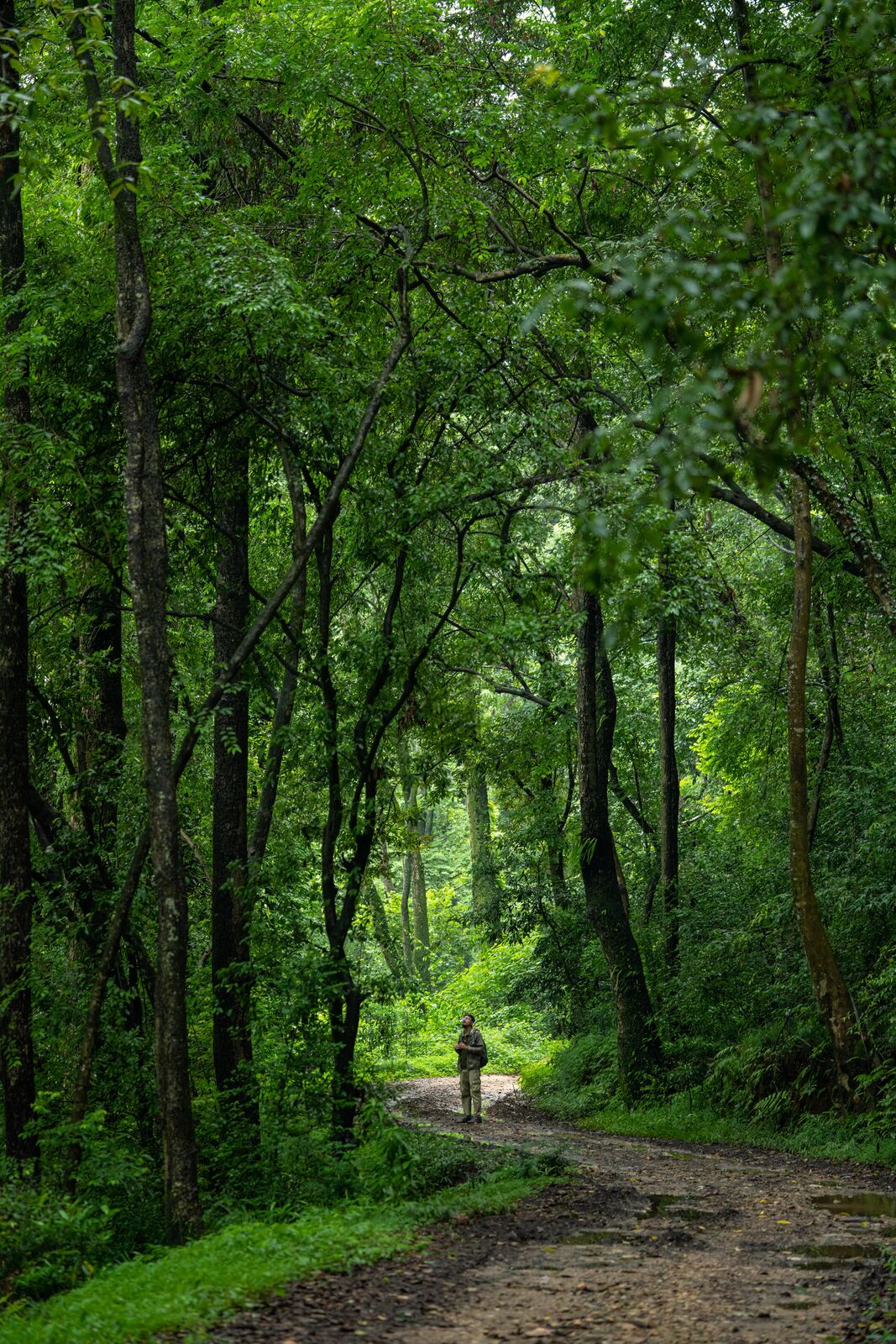
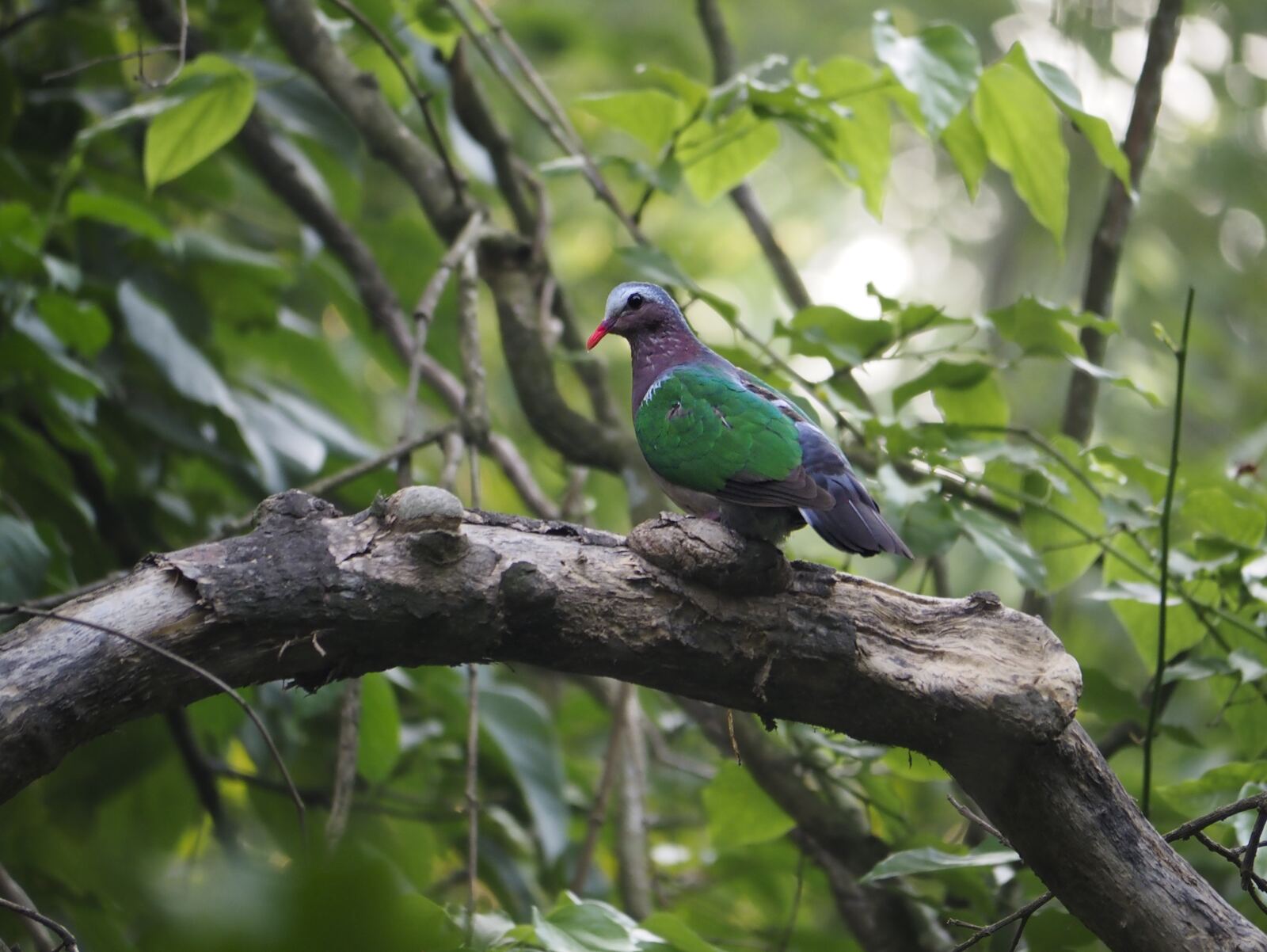
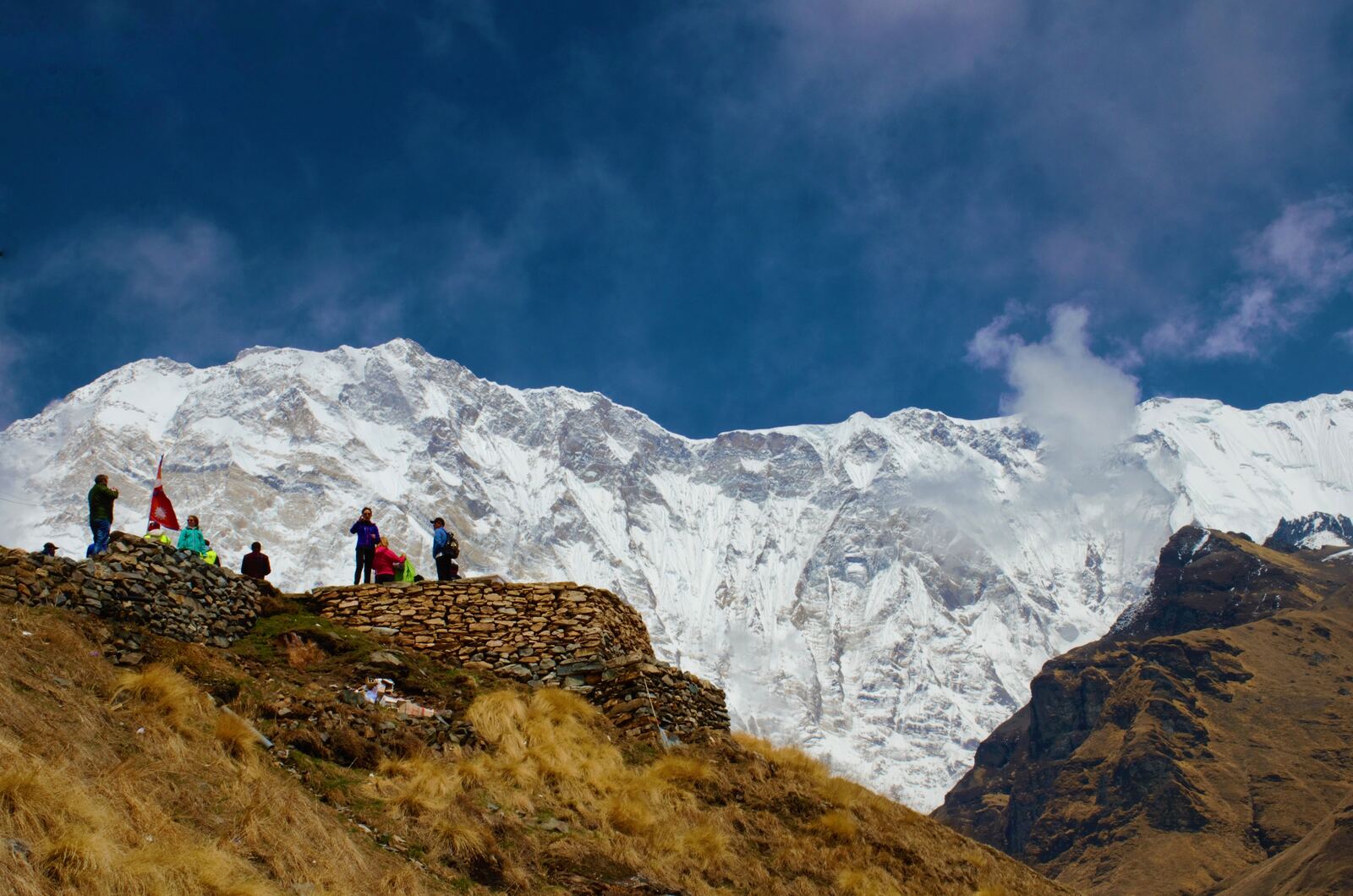
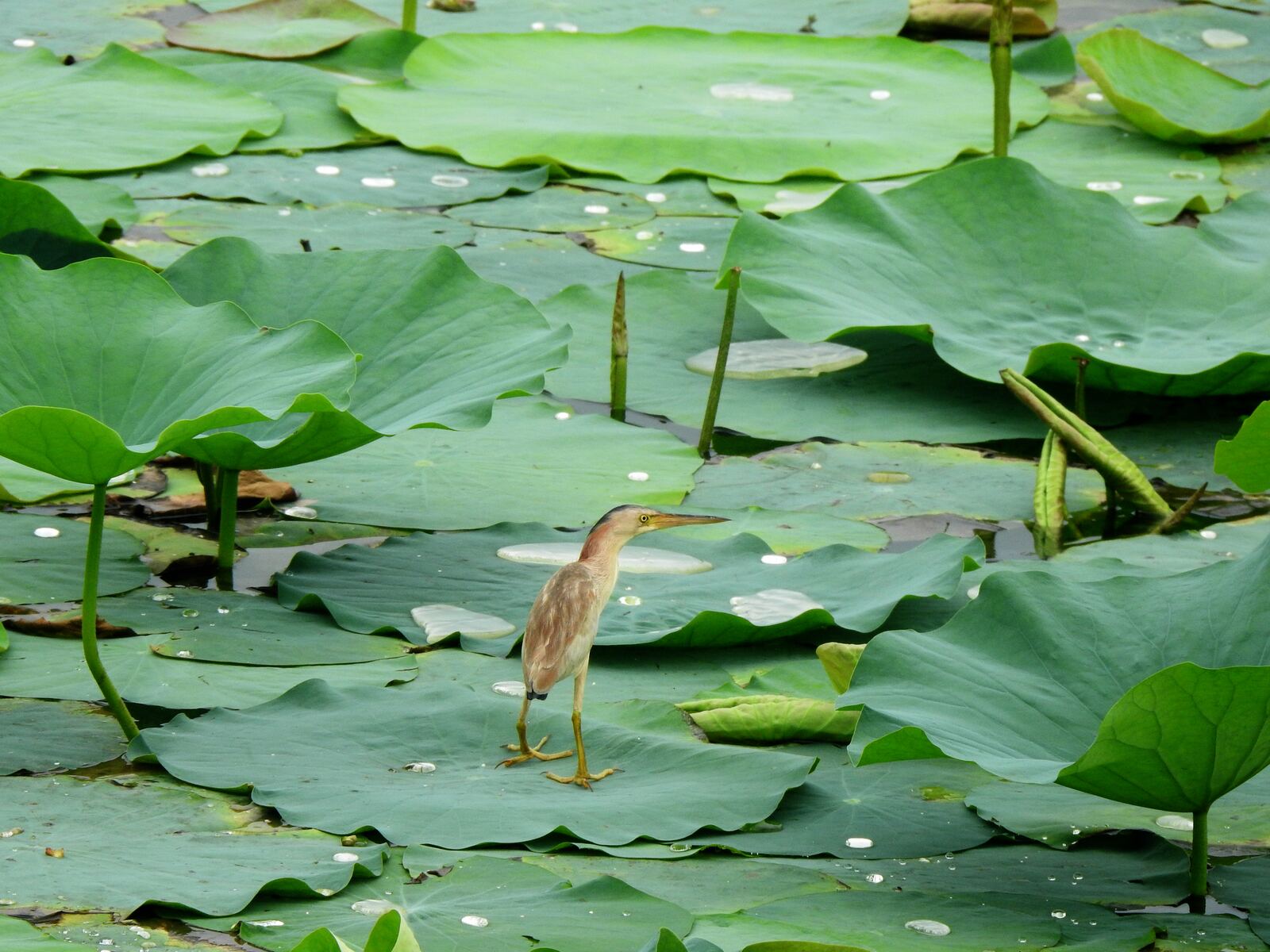
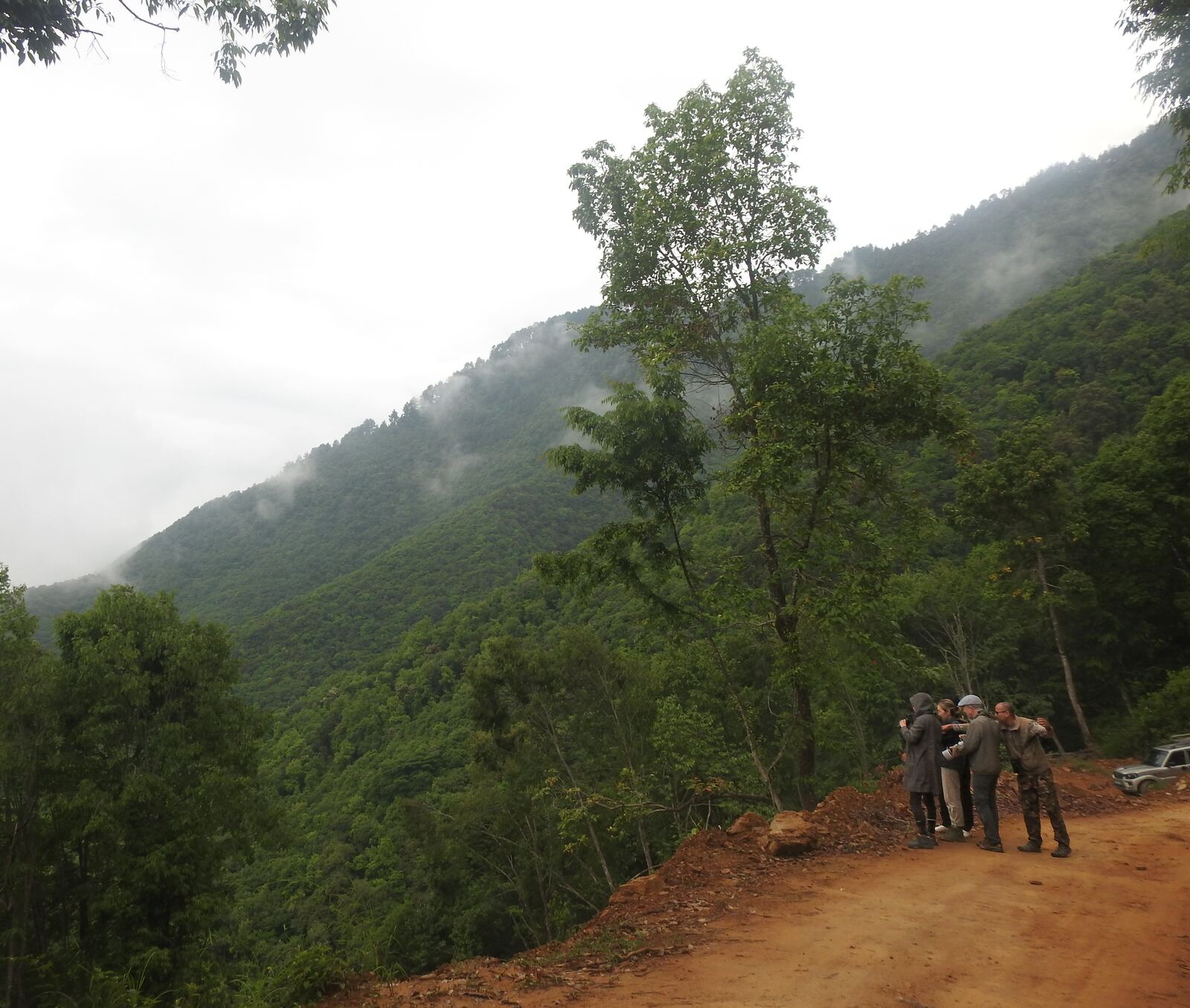
A pilgrims' trail through pheasant forest to the sacred lakes at 4,380 m, over the Laurebina Pass and down the quiet Helambu side to Kathmandu. Monals and Blood Pheasants in the rhododendron, Snow Pigeons, Robin Accentors and winter Grandalas around the lakes, and Nepal's only endemic bird, the Spiny Babbler, on the last hill. For fit trekkers who want the high country without the crowds.
Birds to look for
None of them is promised: wild birds keep their own plans.
Himalayan Monal
Lophophorus impejanus
Chandanbari (Sing Gompa) · 3,330 m · usually seen
“Nepal's national bird, and it glows like a jewel when the first sun hits the ridge.”
Blood Pheasant
Ithaginis cruentus
Lauribina · 3,910 m · usually seen
“Tame and tiny, a crested little pheasant that picks through the snowy rhododendron.”
Snow Pigeon
Columba leuconota
Gosaikunda · 4,380 m · usually seen
“White and slate flocks that swirl across the cliffs of the sanctuary.”
Himalayan Griffon
Gyps himalayensis
Dhunche · 1,960 m · usually seen
“Enormous, pale and unhurried, riding the mountain thermals above the valley.”
Lammergeier
Gypaetus barbatus
Gosaikunda · 4,380 m · usually seen
“A long-winged, rust-chested giant that sails along the cliffs and drops bones to crack them.”
Golden Eagle
Aquila chrysaetos
Lauribina · 3,910 m · sometimes seen
“Power and grace over the high ridges.”
Fire-tailed Sunbird
Aethopyga ignicauda
Chandanbari (Sing Gompa) · 3,330 m · usually seen
“A tiny jewel with a long scarlet tail, sipping rhododendron nectar.”
Red-billed Chough
Pyrrhocorax pyrrhocorax
Gosaikunda · 4,380 m · almost always seen
“Aerobatic black crows with red bills, tumbling along the cliffs.”
Spotted Nutcracker
Nucifraga caryocatactes
Chandanbari (Sing Gompa) · 3,330 m · almost always seen
“Spotted like a starling and bold as brass in the high forest.”
Himalayan Snowcock
Tetraogallus himalayensis
Gosaikunda · 4,380 m · sometimes seen
“A big mountain game bird whose ringing whistles bounce around the high amphitheatre.”
Red-headed Bullfinch
Pyrrhula erythrocephala
Chandanbari (Sing Gompa) · 3,330 m · sometimes seen
“A soft-voiced bullfinch with an orange-red head, feeding quietly in the rhododendron.”
Robin Accentor
Prunella rubeculoides
Gosaikunda · 4,380 m · usually seen
“A neat grey-headed accentor with a robin-red breast, at home around the high lakes and yak huts.”
All 75 birds on this routeand 14 other animals and plants
Birds 75
- Alpine Accentor
- Black Eagle
- Black Kite
- Black-throated Bushtit
- Blood Pheasant
- Blue Whistling-Thrush
- Blue-winged Minla
- Brown Dipper
- Chestnut-crowned Laughingthrush
- Collared Grosbeak
- Common Myna
- Darjeeling Woodpecker
- Dark-breasted Rosefinch
- Egyptian Vulture
- Eurasian Kestrel
- Fire-tailed Sunbird
- Golden Eagle
- Grandala
- Great Barbet
- Great Parrotbill
- Green-backed Tit
- Grey Treepie
- Grey Wagtail
- Grey-crested Tit
- Grey-hooded Warbler
- Hill Partridge
- Himalayan Bulbul
- Himalayan Cuckoo
- Himalayan Griffon
- Himalayan Monal
- Himalayan Snowcock
- Himalayan White-browed Rosefinch
- Hoary-throated Barwing
- Kalij Pheasant
- Koklass Pheasant
- Lammergeier
- Large-billed Crow
- Little Forktail
- Long-tailed Minivet
- Mrs. Gould's Sunbird
- Oriental Magpie-Robin
- Oriental White-eye
- Plain Mountain Finch
- Plumbeous Water Redstart
- Red-billed Blue Magpie
- Red-billed Chough
- Red-headed Bullfinch
- Red-vented Bulbul
- Robin Accentor
- Ruddy Shelduck
- Rufous Sibia
- Rufous-bellied Woodpecker
- Rufous-breasted Accentor
- Rufous-vented Tit
- Satyr Tragopan
- Scarlet Minivet
- Slaty-headed Parakeet
- Snow Pigeon
- Spiny Babbler
- Spotted Dove
- Spotted Forktail
- Spotted Laughingthrush
- Spotted Nutcracker
- Striated Laughingthrush
- Stripe-throated Yuhina
- Verditer Flycatcher
- Wallcreeper
- Whiskered Yuhina
- White-browed Fulvetta
- White-capped Redstart
- White-collared Blackbird
- White-throated Laughingthrush
- White-winged Redstart
- Yellow-billed Blue Magpie
- Yellow-billed Chough
Mammals 10
- Assamese Macaque
- Barking Deer
- Himalayan Black Bear
- Himalayan Goral
- Himalayan Langur
- Himalayan Musk Deer
- Himalayan Tahr
- Large-eared Pika
- Red Panda
- Yellow-throated Marten
Plants 4
- Bearded Rhododendron
- Bell-flowered Rhododendron
- Lepidote Rhododendron
- Tree Rhododendron
A day on this trip
Mornings start at sunrise in the forest, when the pheasants call. We walk five or six hours a day, steep in places and slow above 4,000 m, stopping wherever there's a flock; the high days are short so there's time to rest and acclimatise.
The way, day by day
- Day 1
Kathmandu1,400 m · Black Kite, Large-billed Crow
Airport pickup, hotel check-in and the trip briefing.
Birds 10: Black Kite, Large-billed Crow, Common Myna, Oriental Magpie-Robin, Red-vented Bulbul, Spotted Dove, Himalayan Bulbul, Eurasian Kestrel, Grey Wagtail, Egyptian Vulture
Seen from here: Phulchowki (2,782 m)
- Day 2
Dhunche1,960 m · Himalayan Griffon, Grey Treepie
The drive to the trailhead area in the Langtang region, up the Trishuli valley to Dhunche.
Birds 13: Himalayan Bulbul, Grey Treepie, Great Barbet, Oriental White-eye, Black-throated Bushtit, Blue Whistling-Thrush, Plumbeous Water Redstart, Verditer Flycatcher, Long-tailed Minivet, Slaty-headed Parakeet, Rufous Sibia, Himalayan Griffon, Kalij Pheasant
Mammals 2: Himalayan Goral, Himalayan Langur
Seen from here: Langtang Lirung (7,227 m)
- Day 3
Chandanbari (Sing Gompa)3,330 m · Himalayan Monal, Blood Pheasant
We begin trekking through dense rhododendron and oak forest, prime habitat for laughingthrushes and pheasants, reaching Sing Gompa. The forest around the monastery is also known for red pandas.
Birds 17: Grey-crested Tit, Rufous-vented Tit, White-browed Fulvetta, Spotted Nutcracker, Stripe-throated Yuhina, Himalayan Monal, Spotted Laughingthrush, Hoary-throated Barwing, Darjeeling Woodpecker, Rufous-bellied Woodpecker, Collared Grosbeak, White-collared Blackbird, Chestnut-crowned Laughingthrush, Fire-tailed Sunbird, Blood Pheasant, Koklass Pheasant, Red-headed Bullfinch
Mammals 4: Yellow-throated Marten, Red Panda, Himalayan Musk Deer, Himalayan Black Bear
Plants 2: Tree Rhododendron, Bearded Rhododendron
Seen from here: Langtang Lirung (7,227 m)
- Day 4
Lauribina3,910 m · Lammergeier, Golden Eagle
We continue climbing through forest thinning into alpine shrubland, watching the habitat and bird community shift with altitude.
Birds 14: Rufous-breasted Accentor, White-browed Fulvetta, Large-billed Crow, Yellow-billed Chough, Himalayan Monal, Blood Pheasant, Fire-tailed Sunbird, Dark-breasted Rosefinch, Himalayan White-browed Rosefinch, White-collared Blackbird, Lammergeier, Himalayan Griffon, Golden Eagle, Grandala
Mammals 1: Himalayan Tahr
Plants 2: Bell-flowered Rhododendron, Lepidote Rhododendron
Seen from here: Langtang Lirung (7,227 m)
- Day 5
Gosaikunda4,380 m · Snow Pigeon, Red-billed Chough
We reach the sacred lakes of Gosaikunda, with time to explore the high-altitude terrain for alpine specialists.
Birds 12: Yellow-billed Chough, Red-billed Chough, Alpine Accentor, Robin Accentor, Plain Mountain Finch, Snow Pigeon, Lammergeier, Himalayan Snowcock, White-winged Redstart, Brown Dipper, Grandala, Ruddy Shelduck
Mammals 2: Himalayan Tahr, Large-eared Pika
Seen from here: Langtang Lirung (7,227 m)
- Day 6
Ridge above Gosaikunda4,600 m · Wallcreeper, Snow Pigeon
A day around the lake area, with the option of a higher viewpoint hike and birding for high-altitude species. It also helps with acclimatization before the pass.
Birds 9: Snow Pigeon, Alpine Accentor, Yellow-billed Chough, Lammergeier, Himalayan Griffon, Himalayan Snowcock, Golden Eagle, Wallcreeper, Grandala
Mammals 1: Large-eared Pika
Seen from here: Langtang Lirung (7,227 m)
- Day 7
Laurebina Pass · Ghopte3,430 m · Himalayan Monal, Blood Pheasant
We cross the Laurebina Pass (4,610 m), the highest point of the trek, among cairns and small lakes.
Then the descent toward Ghopte, a quieter, less-trekked stretch.
Birds 19: Alpine Accentor, Robin Accentor, Snow Pigeon, Yellow-billed Chough, Red-billed Chough, Plain Mountain Finch, Lammergeier, Himalayan Snowcock, White-winged Redstart, Rufous-breasted Accentor, White-browed Fulvetta, Spotted Nutcracker, Grey-crested Tit, Rufous-vented Tit, Himalayan Monal, Blood Pheasant, White-collared Blackbird, Dark-breasted Rosefinch, Red-headed Bullfinch
Mammals 4: Large-eared Pika, Himalayan Tahr, Red Panda, Himalayan Musk Deer
Plants 1: Bell-flowered Rhododendron
Seen from here: Langtang Lirung (7,227 m)
- Day 8
Kutumsang2,470 m · Whiskered Yuhina, Green-backed Tit
A short climb to the ridge at Tharepati, where the Helambu trail turns south.
We continue descending through forest toward lower elevations, with strong birding in the mixed forest zone, to Kutumsang.
Birds 23: Himalayan Monal, Blood Pheasant, Spotted Nutcracker, Yellow-billed Chough, Large-billed Crow, Lammergeier, Himalayan Griffon, Rufous-breasted Accentor, Rufous Sibia, Whiskered Yuhina, Green-backed Tit, Blue-winged Minla, Great Barbet, Chestnut-crowned Laughingthrush, Striated Laughingthrush, Kalij Pheasant, Yellow-billed Blue Magpie, Mrs. Gould's Sunbird, Scarlet Minivet, Satyr Tragopan, Hill Partridge, Great Parrotbill, Himalayan Cuckoo
Mammals 2: Himalayan Langur, Barking Deer
Plants 2: Bell-flowered Rhododendron, Tree Rhododendron
Seen from here: Langtang Lirung (7,227 m)
- Day 9
Kathmandu1,400 m · Grey-hooded Warbler, White-throated Laughingthrush
Down the ridge and into the Shivapuri forest at Chisapani, the last hill before Kathmandu.
The final descent to the roadhead at Sundarijal, and the drive back to the city.
Back in Kathmandu for the night.
Birds 28: Himalayan Bulbul, Rufous Sibia, Whiskered Yuhina, Black-throated Bushtit, Grey-hooded Warbler, Great Barbet, Kalij Pheasant, White-throated Laughingthrush, Red-billed Blue Magpie, Black Eagle, Himalayan Griffon, Spiny Babbler, Plumbeous Water Redstart, Blue Whistling-Thrush, Red-vented Bulbul, Grey Wagtail, Oriental Magpie-Robin, Spotted Forktail, Little Forktail, Verditer Flycatcher, White-capped Redstart, Brown Dipper, Black Kite, Large-billed Crow, Common Myna, Spotted Dove, Eurasian Kestrel, Egyptian Vulture
Mammals 1: Assamese Macaque
Seen from here: Phulchowki (2,782 m)
- Day 10
Kathmandu1,400 m · Black Kite, Large-billed Crow
Final breakfast and the departure transfer.
Birds 10: Black Kite, Large-billed Crow, Common Myna, Oriental Magpie-Robin, Red-vented Bulbul, Spotted Dove, Himalayan Bulbul, Eurasian Kestrel, Grey Wagtail, Egyptian Vulture
Seen from here: Phulchowki (2,782 m)
Good to know
- Guiding
- Krishna leads the whole trip
- Difficulty
- Challenging
- Highest point
- 4,610 m, Laurebina Pass
- Best months
- March to May and October to November
- Region
- Langtang National Park
What's included
Included
- Kathmandu–trailhead transport
- Teahouse accommodation during trek
- All meals during the trek
- Langtang National Park permit and TIMS card
- Expert trekking and birding guide, porter support
Not included
- International flights and visa
- Personal trekking gear (warm layers essential above 4,000 m)
- Tips and personal expenses